
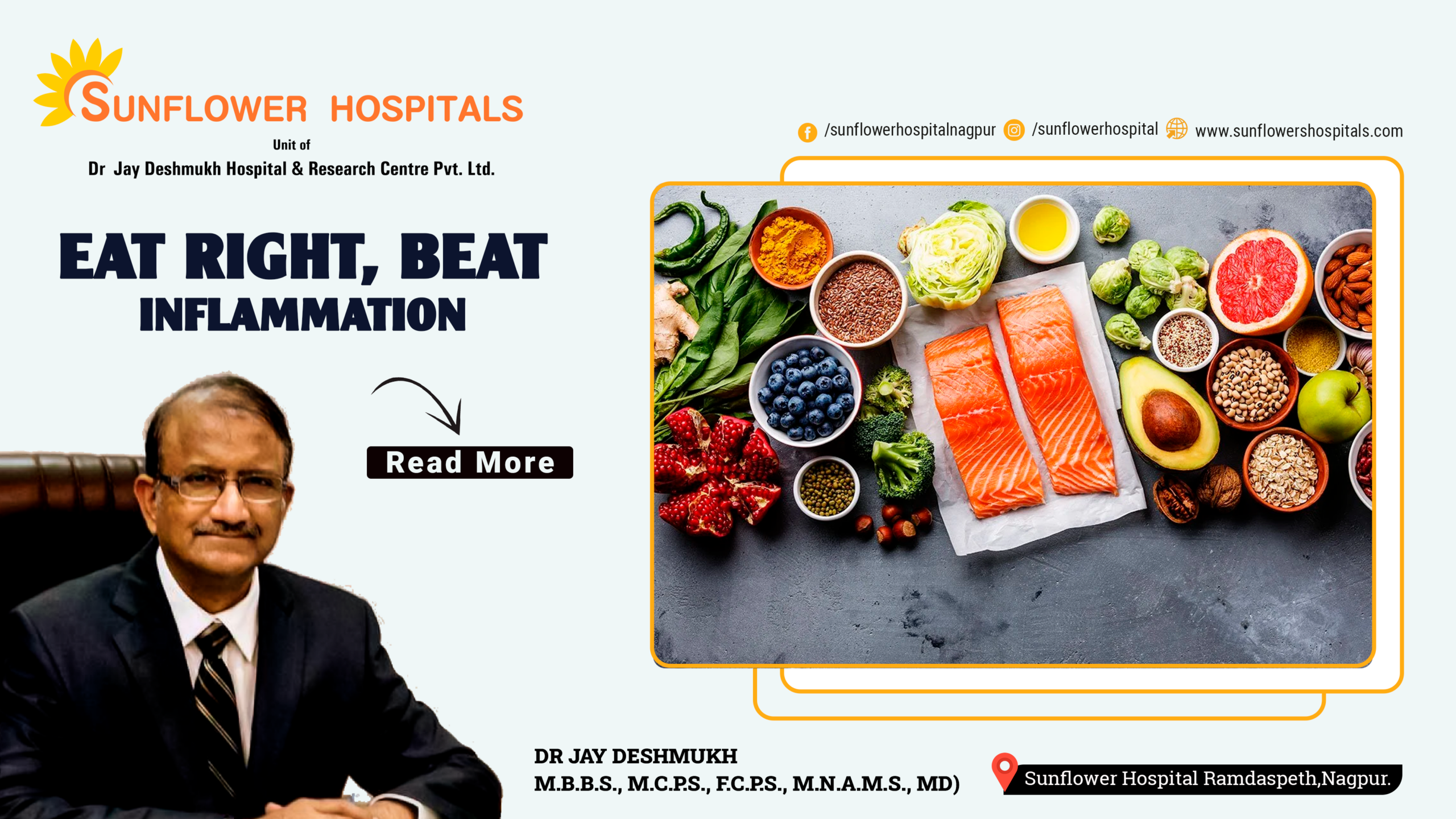
What exactly is an anti-inflammatory diet?
It is a scientifically grounded dietary pattern designed to modulate chronic low-grade systemic inflammation, a key pathophysiological driver of atherosclerosis, insulin resistance, type 2 diabetes, and neurodegenerative disorders. This inflammation is mediated by cytokines such as interleukin-6 (IL-6), tumor necrosis factor-alpha (TNF-α), and biomarkers like high-sensitivity C-reactive protein (hs-CRP). Dietary patterns rich in plant-based foods, unsaturated fats, and bioactive compounds have been shown to downregulate these inflammatory pathways.
Why should we worry about inflammation?
Unlike acute inflammation, chronic inflammation is persistent and subclinical. It contributes to endothelial dysfunction, plaque formation, and metabolic dysregulation, ultimately increasing cardiovascular and metabolic risk.
Which diet has the strongest evidence?
The Mediterranean-style diet has consistently shown a reduction in inflammatory biomarkers, improved lipid profiles, and lower cardiovascular event rates in large randomized trials such as PREDIMED. It remains the best validated anti-inflammatory dietary model.
Do our Indian spices have any benefits?
Yes. Turmeric (curcumin) inhibits NF-KB signaling, a central inflammatory pathway. Ginger also has anti-inflammatory and analgesic properties
Which foods increase inflammation?
Certain foods are associated with increased inflammatory markers:
Sugar and sweets
Refined carbohydrates (maida-based foods)
Deep-fried and ultra-processed foods
Processed and red meat
These promote oxidative stress and cytokine activation.
Are antioxidants important?
Antioxidants reduce oxidative stress, a key trigger of inflammation. Fruits, vegetables, and green tea are rich sources of polyphenols and vitamins.
What about blood pressure?
It improves endothelial function and reduces oxidative stress, contributing to better blood pressure control.
Does it reduce heart disease risk?
Yes. Anti-inflammatory dietary patterns reduce atherosclerotic progression and lower the incidence of cardiovascular events.
Is it difficult or expensive to follow?
No. It can be adapted using simple, locally available foods. The emphasis is on the quality of food rather than cost.
What can a typical day look like?
A simple day may include a vegetable-based breakfast, a balanced lunch with dal and vegetables, a light dinner, and fruits or nuts as snacks.

Author: Dr Jay Deshmukh
Dr Jay Deshmukh is Chief Physician and Director, Sunflower Hospital, Nagpur Honorary Physician to Honorable Governor of Maharashtra and PondicherryCentral. Dr Jay Deshmukh is an M.B.B.S., M.C.P.S., F.C.P.S., M.N.A.M.S., MD From Internal Medicine – Bombay and New Delhi.