
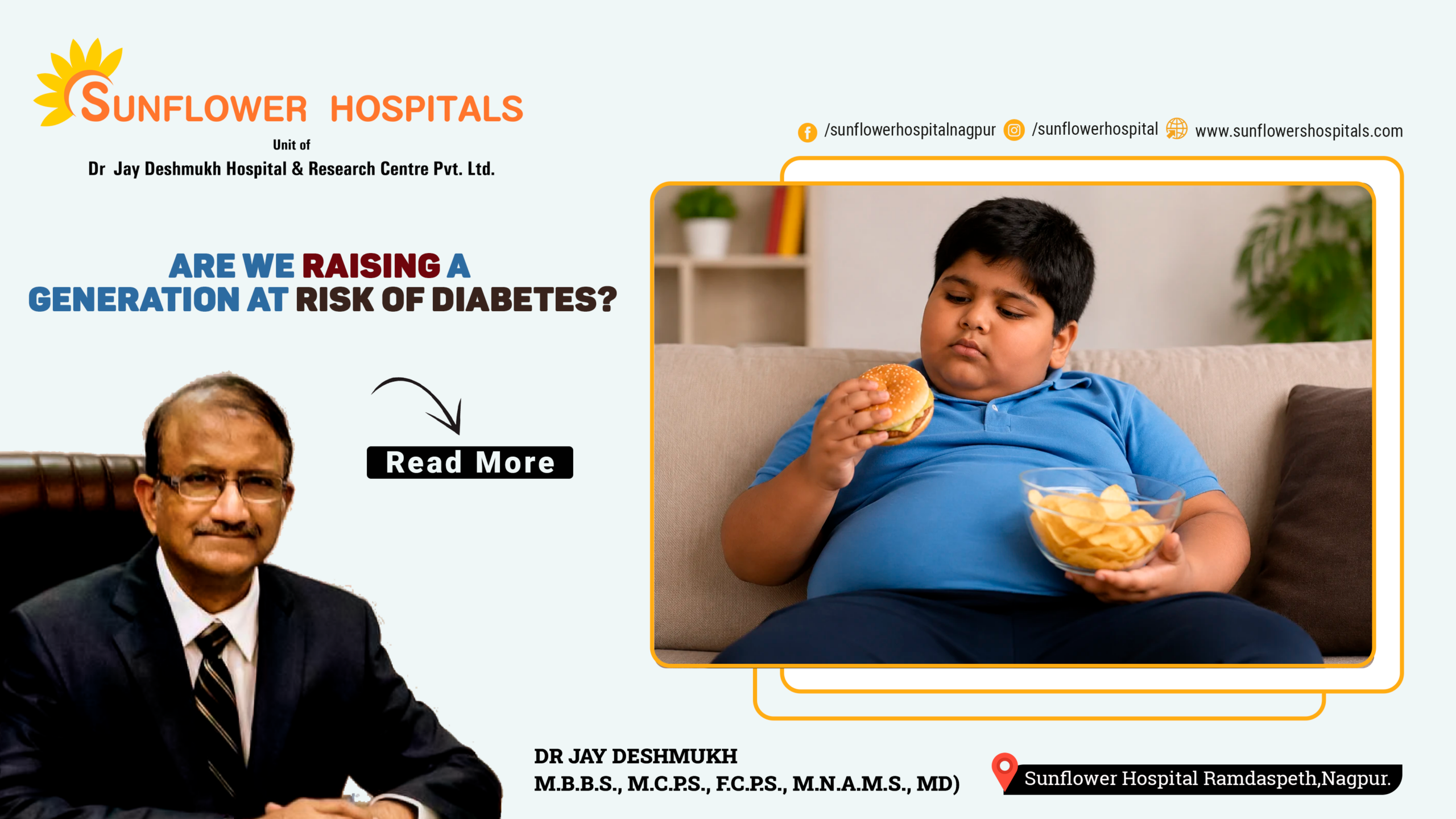
What Is Childhood Obesity And How Is It Diagnosed?
Childhood Obesity Is An Excessive Accumulation Of Body Fat That May Adversely Affect Health. It Is Assessed Using Body Mass Index (BMI), Calculated As Weight In Kilograms Divided By Height In Metres Squared. However, BMI Must Be Interpreted Using Age- And Sex-specific Growth Charts Rather Than Adult BMI Cut-offs. Indian Academy Of Pediatrics (IAP) Growth Charts Are Useful For Assessment In Indian Children.
What Are The Major Causes Of Childhood Obesity?
The Causes Are Multifactorial. Excess Calorie Consumption, Energy-dense Processed Foods, sugar-sweetened beverages, frequent eating outside the home, and inadequate physical activity are major contributors. Prolonged Screen Exposure, Inadequate Sleep, genetic Predisposition, And Family Environment Also Play Important Roles.
Why Is Childhood Obesity Medically Significant?
Obesity Can Produce Metabolic Abnormalities Even During Childhood. These Include Insulin Resistance, Dyslipidaemia, Hypertension, Metabolic Dysfunction-associated Steatotic Liver Disease (MASLD) And Obstructive Sleep Apnoea. It May Also Cause Musculoskeletal Problems, Low Self-esteem And Psychological Distress. Many Affected Children Continue To Have Obesity As Adults.
Can Childhood Obesity Be Treated Successfully?
Yes. Early, Family-based Lifestyle Intervention Is The Cornerstone Of Treatment. The Approach Includes Nutritional Counselling, Physical Activity, Adequate Sleep And Behavioural Modification. In Growing Children, Weight Maintenance While Increasing Height May Be An Appropriate Initial Target. Selected Adolescents With Severe Obesity May Require Specialist-supervised Pharmacological Or Other Interventions
What Is Your Message To Parents?
Childhood Obesity Should Not Be Dismissed As A Temporary Phase Of Growth. It Is An Important Risk Factor For Future Type 2 Diabetes And Cardiovascular Disease. Parents Should Monitor Their Children’s Growth, Promote Healthy Eating Habits And Encourage Daily Physical Activity. Schools, healthcare professionals, and families must work together to create an environment that supports healthy growth. Healthy Childhood Is The Foundation Of Metabolic Health In Adulthood. Preventing Obesity Today Can Reduce The Burden Of Diabetes And Cardiovascular Disease Tomorrow.
What Is The Role Of Diet In Preventing Childhood Obesity?
A Balanced Diet With Adequate Protein, Vegetables, Fruits, whole grains, and pulses should be encouraged. Sugar-sweetened Beverages, Packaged Snacks, refined carbohydrates, and energy-dense fast foods should be restricted. Portion Control And Regular Family Meals Are Important. Crash Diets And Excessive Calorie Restriction Should Be Avoided In Growing Children
Can An Obese Child Develop Type 2 Diabetes?
Yes. Excess Adipose Tissue, Particularly Visceral Fat, Promotes Insulin Resistance. Initially, Pancreatic Beta Cells Compensate By Increasing Insulin Secretion. Eventually, Inadequate Beta-cell Function May Lead To Hyperglycaemia And Type 2 Diabetes. Children With Obesity, A Family History Of Diabetes, Acanthosis
Nigricans And Other Features Of Insulin Resistance Are At Increased Risk. Type 2 Diabetes Is Increasingly Recognised In Indian Adolescents.
What Warning Signs Should Parents Recognise?
Rapid Weight Gain, Central Obesity, Dark Velvety Pigmentation Over The Neck And Axillae (Acanthosis Nigricans), Snoring And Reduced Exercise Tolerance May Indicate Associated Metabolic Problems. Excessive Thirst And Frequent Urination Warrant Urgent Evaluation For Diabetes.
Which Investigations Are Recommended?
Clinical Assessment Should Include BMI Percentile, Growth Pattern And Blood Pressure. In Children With Obesity, Particularly From 10 Years Of Age, Screening May Include: Fasting Plasma Glucose or HbA1c. Lipid Profile. Further Investigations Depend On Clinical Findings And Associated Risk Factors. Not Every Child Requires Every Test

Author: Dr Jay Deshmukh
Dr Jay Deshmukh is Chief Physician and Director, Sunflower Hospital, Nagpur Honorary Physician to Honorable Governor of Maharashtra and PondicherryCentral. Dr Jay Deshmukh is an M.B.B.S., M.C.P.S., F.C.P.S., M.N.A.M.S., MD From Internal Medicine – Bombay and New Delhi.