
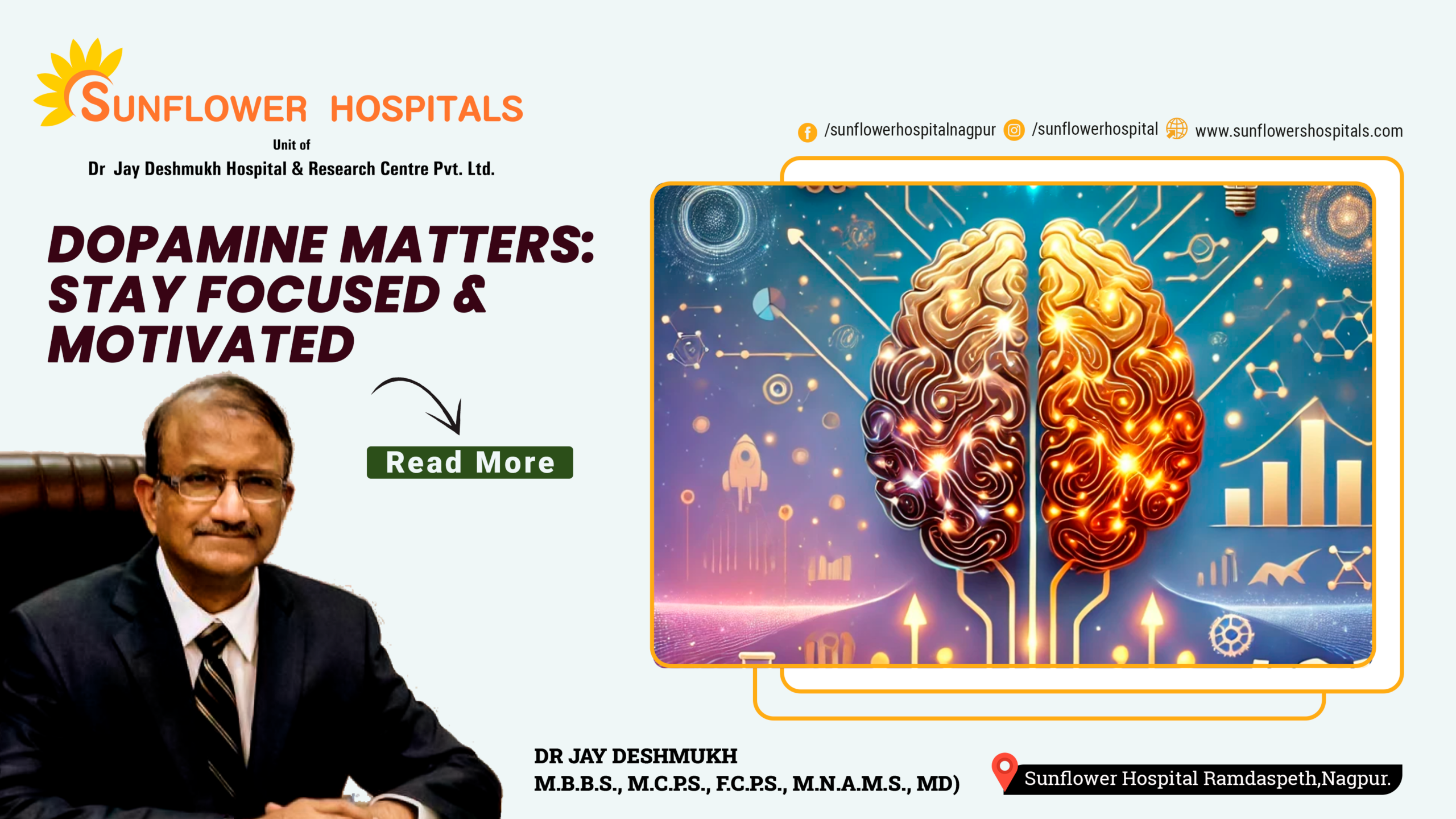
What is dopamine?
Dopamine is a chemical messenger produced in the brain. It allows nerve cells to communicate and regulates essential functions such as motivation, focus, mood, and physical movement. Healthy dopamine levels are necessary for both mental and physical vitality
Why is dopamine so important for motivation?
Dopamine does not create pleasure directly. Instead, it creates the desire to act and achieve goals. It is responsible for initiative, ambition, and productivity. When dopamine levels are adequate, a person feels energetic, focused, and motivated. When levels fall, fatigue, poor concentration, and lack of interest become common.
Can the modern lifestyle affect dopamine?
Excessive mobile phone use, constant screen exposure, and sedentary habits can disrupt dopamine balance. These overstimulate the brain initially but eventually reduce natural dopamine sensitivity, leading to fatigue and poor concentration.
Are there medical treatments to improve dopamine function?
Yes. Certain medications can improve dopamine activity and are used when clinically indicated. These treatments can significantly improve energy, concentration, and quality of life in selected patients.
Does dopamine decline with age?
Yes. Dopamine production gradually decreases with age. By the seventh decade of life, dopamine activity may be significantly reduced. This contributes to reduced stamina, slower thinking, and decreased motivation. However, this decline can be slowed through proper lifestyle and medical care.
Which lifestyle habits help maintain healthy dopamine levels?
Regular physical exercise is the most effective natural way to increase dopamine. Exercise improves brain function, energy, and mood. Adequate sleep, sunlight exposure, mental activity, and social engagement also help maintain a healthy dopamine balance. A protein-rich diet supports dopamine production as well.
What happens when dopamine levels are low?
Low dopamine can cause persistent tiredness, reduced mental sharpness, lack of enthusiasm, and slower physical activity. Many people mistakenly attribute these symptoms to aging alone, but dopamine decline is often a major contributing factor. Severe dopamine deficiency is seen in Parkinson’s disease, where patients develop slow movements and tremors.

Author: Dr Jay Deshmukh
Dr Jay Deshmukh is Chief Physician and Director, Sunflower Hospital, Nagpur Honorary Physician to Honorable Governor of Maharashtra and PondicherryCentral. Dr Jay Deshmukh is an M.B.B.S., M.C.P.S., F.C.P.S., M.N.A.M.S., MD From Internal Medicine – Bombay and New Delhi.