
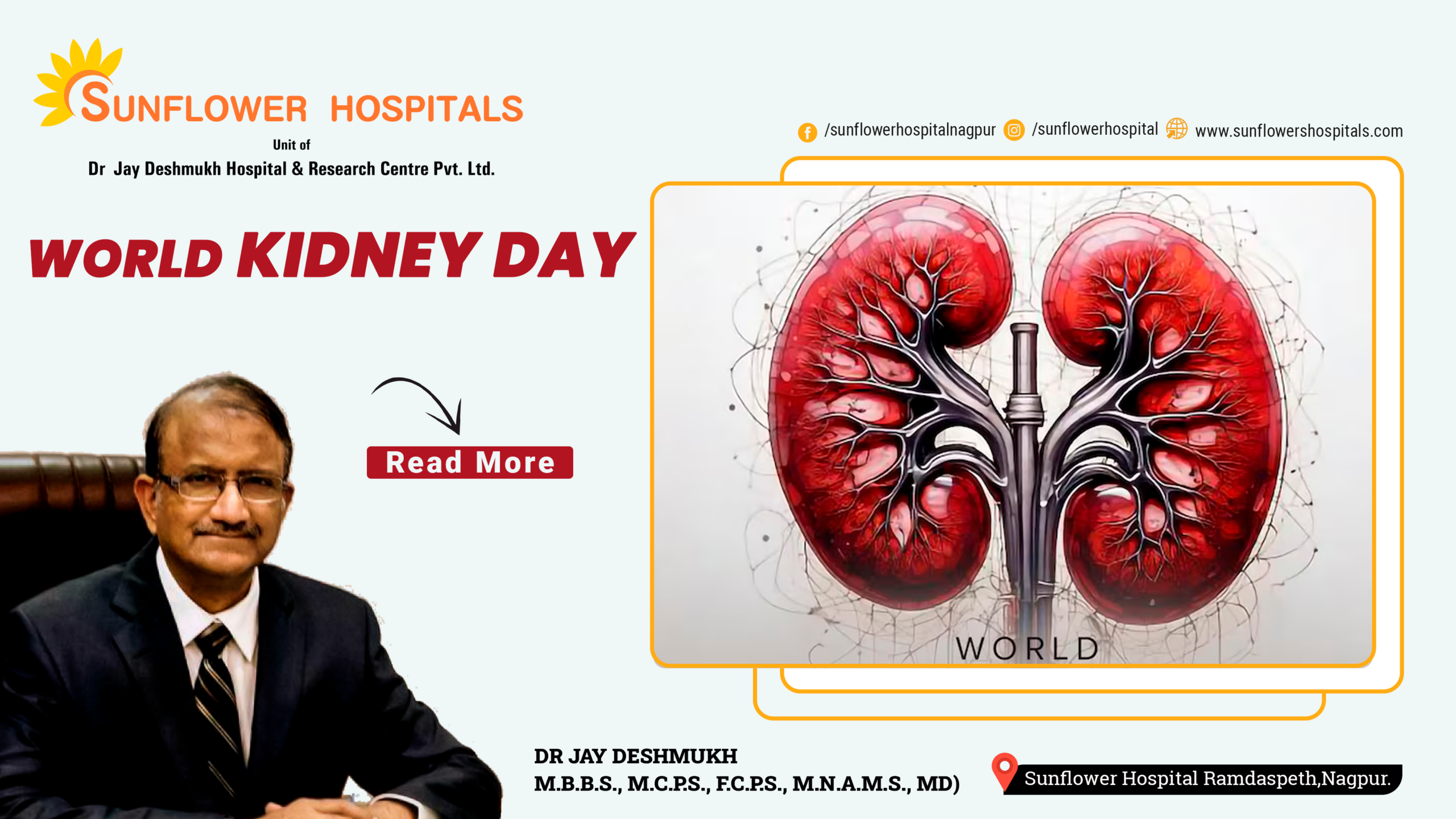
World Kidney Day is observed every year in March to increase awareness about kidney health and the prevention of kidney diseases.
The kidneys are vital organs that filter waste products from the blood, maintain fluid and electrolyte balance, regulate blood pressure, and produce hormones important for red blood cell formation and bone health. Unfortunately, kidney disease often develops silently, and many patients are diagnosed only when significant damage has already occurred.
What are the main functions of the kidneys in the body?
The kidneys act as the body’s natural filtration system. They remove toxins and excess fluids through urine, maintain the balance of electrolytes such as sodium and potassium, regulate blood pressure, produce erythropoietin, which stimulates red blood cell production, and activate vitamin D that supports bone health.
What symptoms of kidney disease should never be ignored?
Important warning signs include swelling of the feet or around the eyes, foamy urine, blood in urine, reduced urine output, persistent fatigue, nausea or vomiting, poor appetite, difficulty controlling blood pressure, and breathlessness due to fluid accumulation. These symptoms should prompt medical evaluation.
Can kidney disease occur without symptoms?
Yes. Early kidney disease often has no obvious symptoms. Many patients discover the problem only during routine blood tests showing elevated creatinine levels or urine tests detecting protein leakage. Therefore, regular health check-ups are essential, especially for people at risk.
Who are at higher risk of kidney disease?
Individuals with diabetes, hypertension, obesity, or a family history of kidney disease are at greater risk. Elderly individuals, people with recurrent kidney stones or urinary infections, and those who frequently take certain painkillers are also more vulnerable
What are the most common causes of kidney damage?
The leading causes of chronic kidney disease are diabetes and high blood pressure. Other causes include glomerulonephritis, autoimmune diseases such as lupus, chronic infections, urinary obstruction due to stones or prostate enlargement, and drug-induced kidney injury
What investigations help detect kidney disease early?
Simple tests can identify kidney disease at an early stage. These include blood tests for serum creatinine and estimated glomerular filtration rate (eGFR), urine examination for protein or blood, urine albumin-creatinine ratio, blood pressure measurement, and ultrasound imaging of the kidneys

Author: Dr Jay Deshmukh
Dr Jay Deshmukh is Chief Physician and Director, Sunflower Hospital, Nagpur Honorary Physician to Honorable Governor of Maharashtra and PondicherryCentral. Dr Jay Deshmukh is an M.B.B.S., M.C.P.S., F.C.P.S., M.N.A.M.S., MD From Internal Medicine – Bombay and New Delhi.