
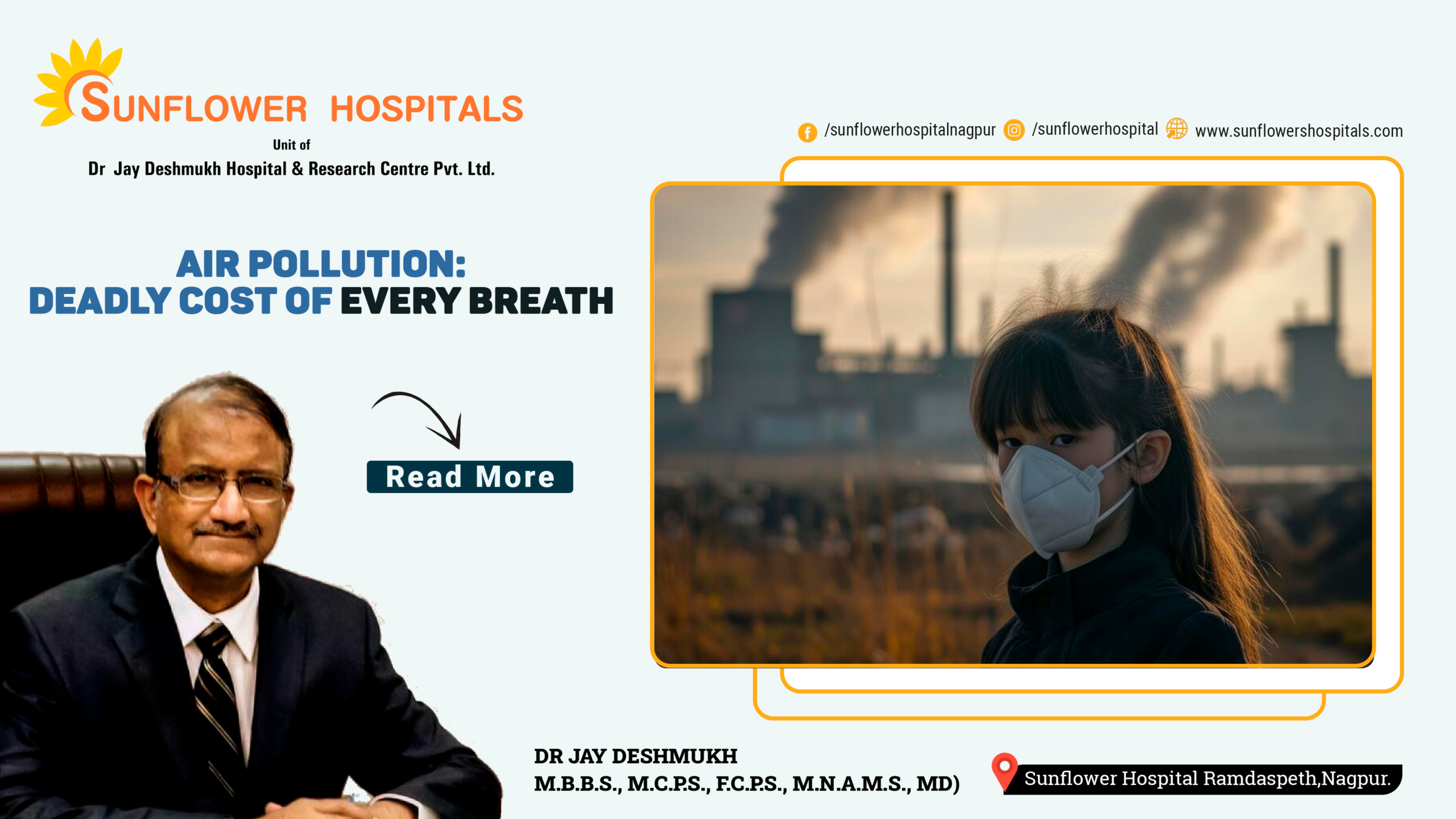
Why Is PM2.5 Considered Dangerous?
PM2.5 Consists Of Fine Particles Measuring 2.5 Micrometres Or Less. They Can Reach The Deepest Parts Of The Lungs And Trigger Inflammation And Oxidative Stress. Some Particle Components Can Enter The Circulation And Affect Distant Organs.
Affect The Lungs?
Exposure Can Cause Irritation Of The Respiratory Tract, Persistent Cough, Wheezing And Breathlessness. It Can Aggravate Asthma And COPD, increase respiratory infections, and contribute to reduced lung function. Long-term exposure also increases the risk of lung cancer
How Does Air Pollution
Air pollution contributes to systemic inflammation, oxidative stress, endothelial dysfunction, and increased tendency for thrombosis. It Can Worsen Hypertension And Increase The Risk Of Heart Attacks, Heart Failure, Abnormal Heart Rhythms And Stroke. People With Pre-existing Cardiovascular Disease Are Particularly Vulnerable.
Who Are Particularly Vulnerable To Air Pollution?
Children, Older Adults, pregnant women, and people suffering from asthma, COPD, Diabetes, hypertension, and heart disease are especially vulnerable. Children May Experience Impaired Lung Development, While Older Adults Have Less Physiological Reserve To Tolerate Environmental Stress
Can Air Pollution Affect The Brain?
Yes. Research Links Long-term Exposure To Air Pollution With An Increased Risk Of Stroke And Cognitive Decline. Neuroinflammation And Oxidative Stress Are Possible Mechanisms. Associations With Dementia Are Also Increasingly Recognised.
Does Air Pollution Increase The Risk Of Diabetes?
Evidence suggests that prolonged exposure to fine particulate matter may contribute to insulin resistance and increase the risk of type 2 Diabetes. It May Also Worsen Existing Cardiovascular And Metabolic Disorders.
How Can We Protect Ourselves?
Monitor The Local Air Quality Index (AQI). Avoid Prolonged Outdoor Exercise During Periods Of High Pollution. Use A Well-fitted N95 Mask When Exposure Is Unavoidable. Consider HEPA Air Purifiers In Polluted Indoor Environments. Avoid Tobacco Smoke And Burning Of Waste. Maintain Regular Treatment For Asthma, COPD And Heart Disease. Encourage Walking And Exercise In Cleaner Environments And At Times When Air Quality Is Better.
Does Staying Indoors Completely Protect Us?
No. Outdoor Pollutants Can Enter Homes, While Indoor Pollution May Arise From Tobacco Smoke, Biomass Fuels, Incense And Poorly Ventilated Cooking Areas. Avoiding Indoor Smoking And Ensuring Appropriate Ventilation Are Important Preventive Measures.
What Should Be Done When Air Quality Becomes Very Poor?
Children, older adults, and patients with cardiac or respiratory diseases should reduce strenuous outdoor activities and prolonged exposure. People experiencing significant breathlessness, chest pain, or severe wheezing should seek medical attention
Can Air Pollution Be Controlled?
Yes, But It Requires Coordinated Action. Cleaner Public Transport, Electric Mobility, Industrial Emission Control, dust construction management, clean household fuels, waste management, and strict enforcement of environmental standards are essential

Author: Dr Jay Deshmukh
Dr Jay Deshmukh is Chief Physician and Director, Sunflower Hospital, Nagpur Honorary Physician to Honorable Governor of Maharashtra and PondicherryCentral. Dr Jay Deshmukh is an M.B.B.S., M.C.P.S., F.C.P.S., M.N.A.M.S., MD From Internal Medicine – Bombay and New Delhi.