
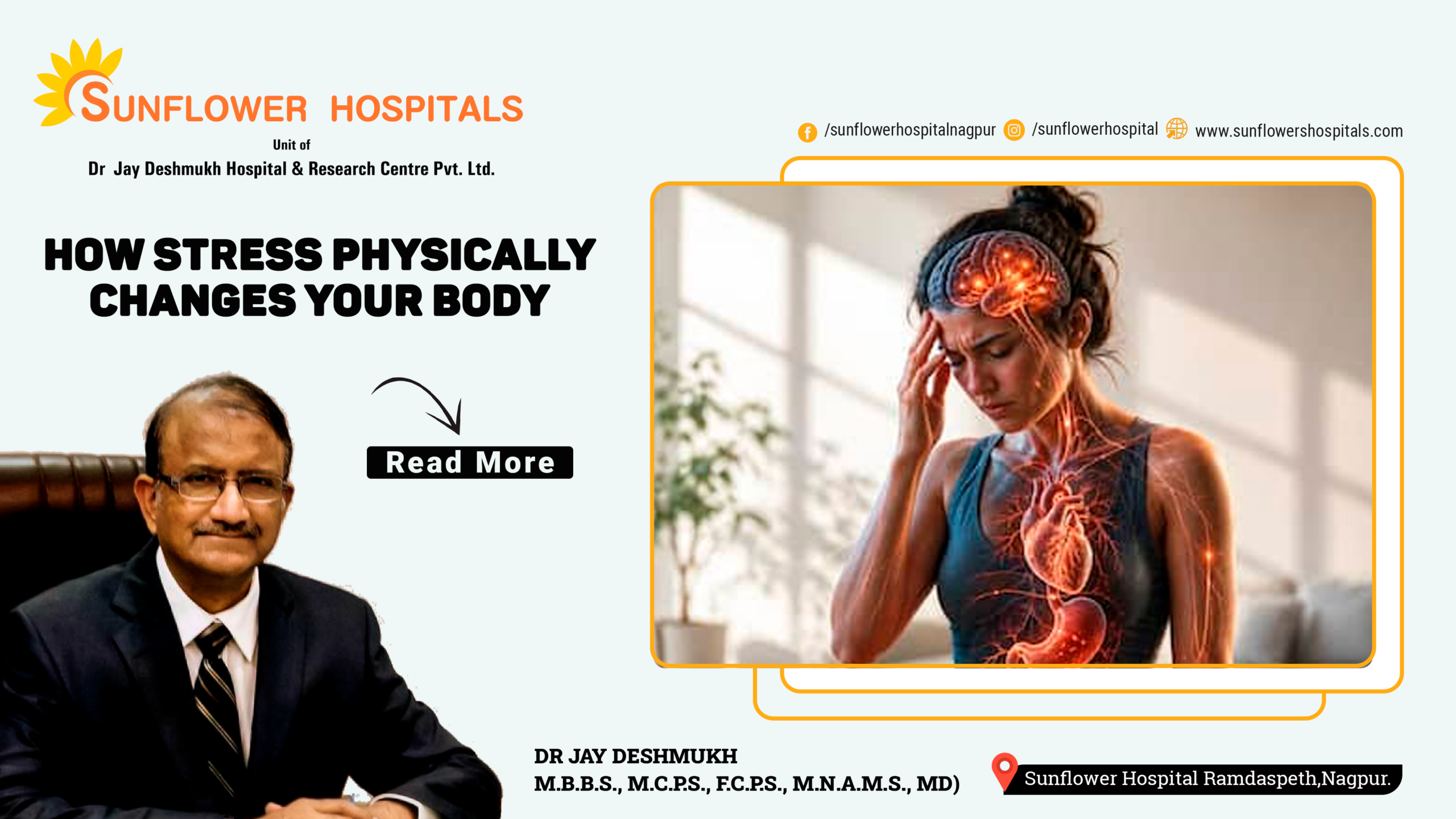
What is stress?
Stress is the body’s natural response to any challenge, threat, or demand. When faced with stress, the body releases hormones such as adrenaline and cortisol to help us cope. Short-term stress can be helpful, but long-term stress can harm health.
What happens inside the body during stress?
The brain activates the “fight-or-flight” response. The heart beats faster, blood pressure rises, breathing becomes quicker, and stress hormones are released. These changes prepare the body to respond to danger.
Can stress affect the heart?
Yes. Chronic stress can increase blood pressure, heart rate, and inflammation. Over time, this may increase the risk of heart disease, heart attacks, and strokes.
How does stress affect blood pressure?
Stress causes temporary spikes in blood pressure. Repeated or prolonged stress may contribute to the development or worsening of hypertension, especially when combined with unhealthy lifestyle habits.
Can stress increase blood sugar levels?
Yes. Stress hormones raise blood sugar levels to provide quick energy. In people with diabetes or pre-diabetes, chronic stress can make blood sugar control more difficult.
Can stress cause
Yes. Stress may increase appetite, especially for sugary and high-fat foods. Elevated cortisol levels can also promote fat accumulation, particularly around the abdomen.
How does stress affect muscles and joints?
Stress often causes muscle tension, especially in the neck, shoulders, and back. Over time, this can lead to chronic pain, stiffness, and fatigue.
Can stress affect the skin?
Yes. Stress can worsen acne, eczema, psoriasis, hives, and other skin conditions. Some people may also experience hair loss during periods of severe stress.
What are some warning signs that stress is affecting health?
Common signs include: Persistent fatigue, Poor sleep, Frequent headaches, Irritability, Difficulty concentrating, Increased blood pressure, Digestive problems, Changes in appetite, Anxiety or low mood
How can we protect ourselves from the harmful effects of stress?
Effective stress-management strategies include: Regular physical activity, adequate sleep (7-9 hours), healthy eating, meditation, yoga, or deep breathing exercises, spending time with family and friends, limiting alcohol and tobacco, and seeking professional help when stress becomes overwhelming

Author: Dr Jay Deshmukh
Dr Jay Deshmukh is Chief Physician and Director, Sunflower Hospital, Nagpur Honorary Physician to Honorable Governor of Maharashtra and PondicherryCentral. Dr Jay Deshmukh is an M.B.B.S., M.C.P.S., F.C.P.S., M.N.A.M.S., MD From Internal Medicine – Bombay and New Delhi.