
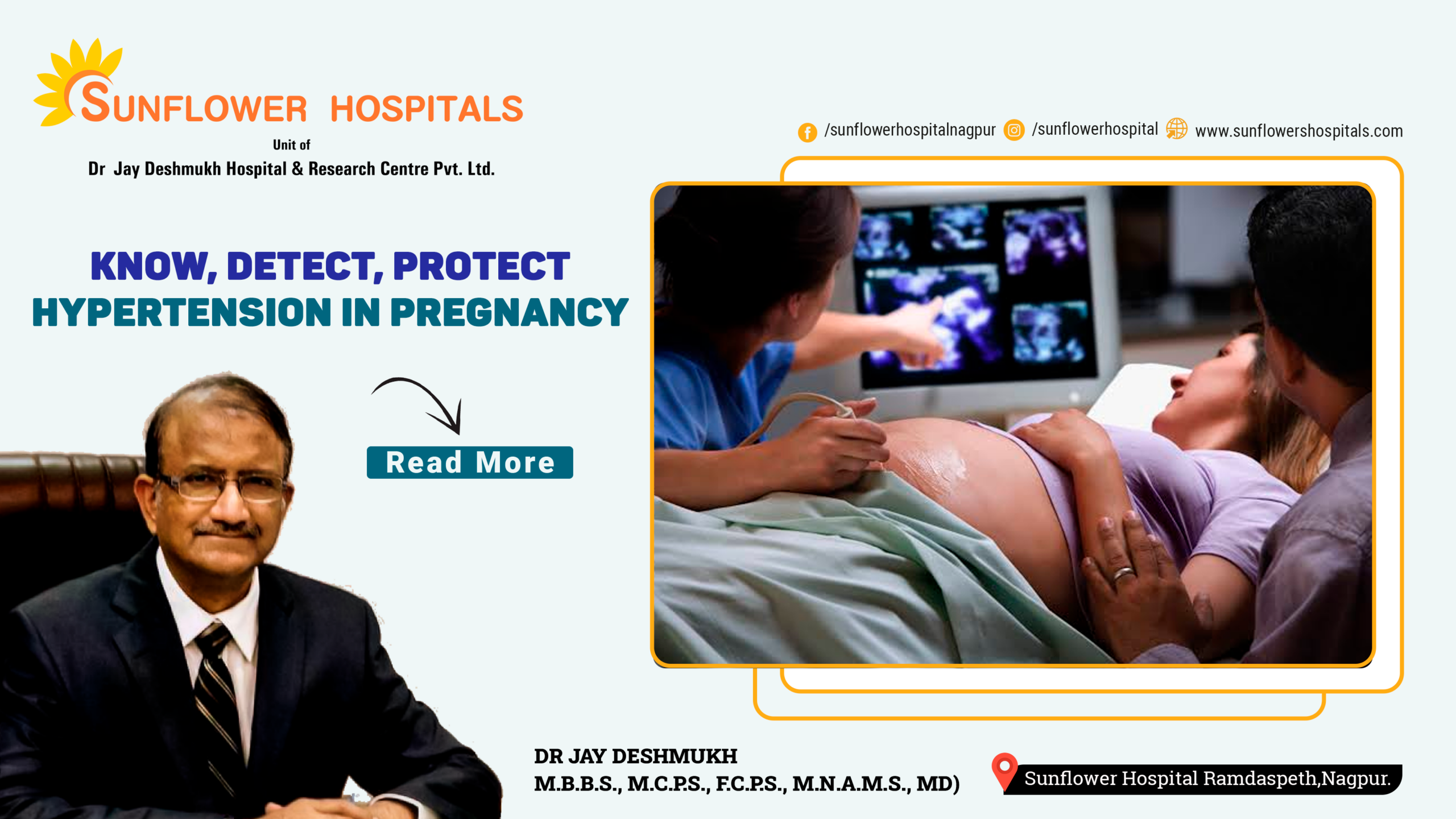
What is hypertension in pregnancy?
Hypertension in pregnancy means blood pressure of 140/90 mmHg or higher during pregnancy. It affects about 5-10% of pregnancies and, if not detected early, can endanger both the mother and the baby.
What lifestyle measures are helpful during pregnancy?
Attend all antenatal visits, take medicines regularly, eat a balanced diet, avoid smoking and alcohol, ohol, remain physically active as advised by your doctor, and report warning symptoms promptly.
Can high blood pressure occur without any symptoms?
Yes. Many women feel completely well. That is why blood pressure and urine should be checked at every antenatal visit.
Why is hypertension dangerous during pregnancy?
It can lead to stroke, seizures (eclampsia), kidney and liver problems, placental abruption, premature delivery, poor fetal growth, and, in severe cases, maternal or fetal death
What are the different types of hypertension in pregnancy?
There are four main types: Chronic hypertension (present before pregnancy or before 20 weeks); gestational hypertension (develops after 20 weeks without protein in the urine); preeclampsia (high blood pressure with signs of organ involvement); chronic hypertension with superimposed preeclampsia
What symptoms should a pregnant woman never ignore?
Seek immediate medical attention if you develop: Severe headache, blurred vision, swelling of the face or hands, pain in the upper abdomen, breathlessness, reduced fetal movements, convulsions
Are blood pressure medicines safe during pregnancy?
Yes. Medicines such as labetalol, nifedipine, and methyldopa are commonly used and are considered safe when prescribed by an obstetrician. Never stop or start medicines without medical advice.
Can hypertension continue after delivery?
Yes. Blood pressure may remain high or even rise during the first week after delivery. Regular follow-up is essential because preeclampsia can also develop after childbirth
Does having hypertension in pregnancy increase future health risks?
Yes. Women who have had hypertension or preeclampsia during pregnancy have a higher risk of developing chronic hypertension, heart disease, stroke, and kidney disease later in life. They should have regular health check-ups

Author: Dr Jay Deshmukh
Dr Jay Deshmukh is Chief Physician and Director, Sunflower Hospital, Nagpur Honorary Physician to Honorable Governor of Maharashtra and PondicherryCentral. Dr Jay Deshmukh is an M.B.B.S., M.C.P.S., F.C.P.S., M.N.A.M.S., MD From Internal Medicine – Bombay and New Delhi.