
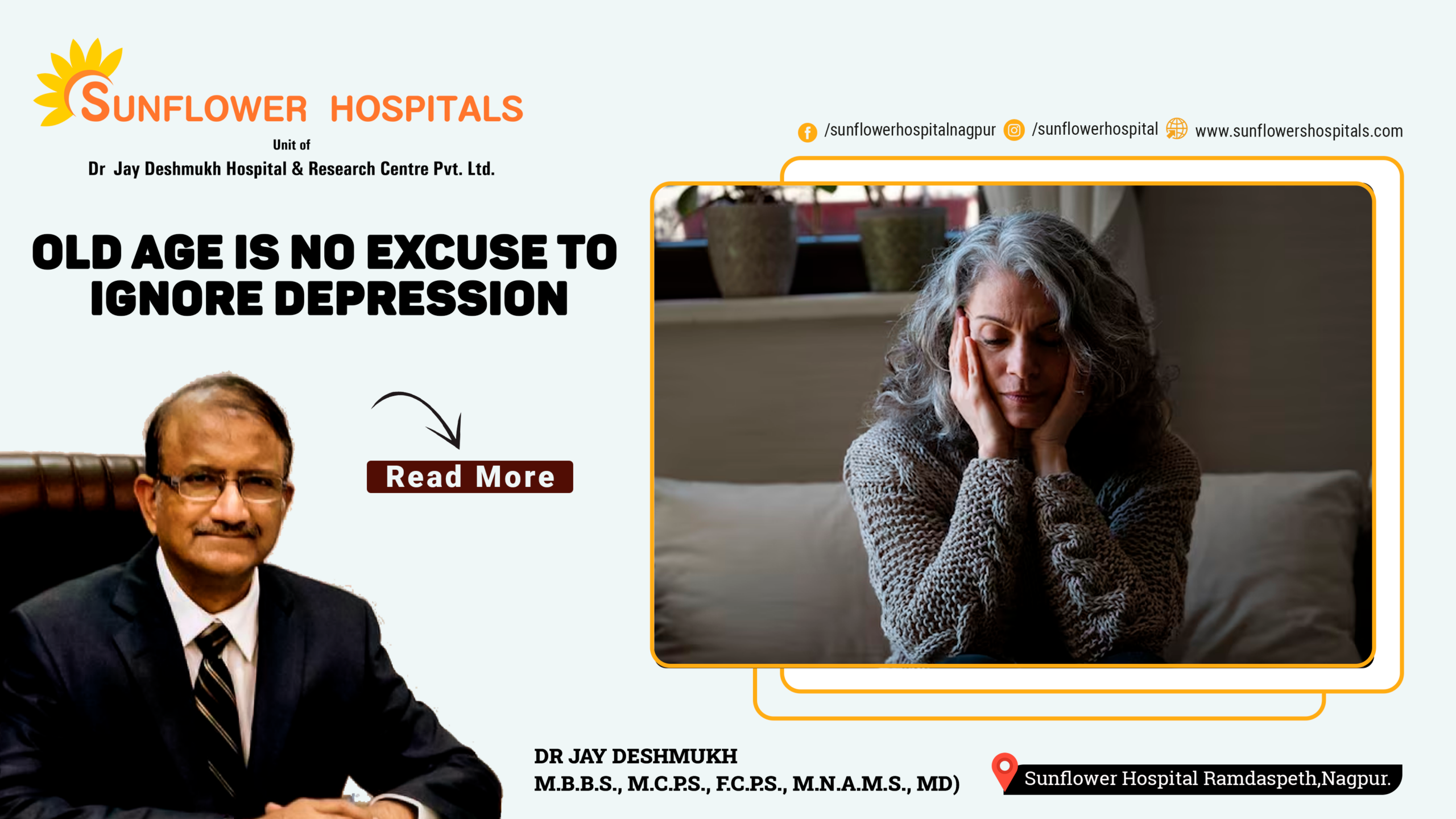
Q1. Is Depression A Normal Part Of Ageing?
No. Although Ageing May Bring Retirement, Bereavement, chronic illness, and social isolation, Depression Is Not An Inevitable Consequence Of Growing Older.
Q2. Why Is Depression Often Missed In Older Adults?
Older People May Not Openly Report Sadness. Instead, They May Complain Of Fatigue, Poor Sleep, Body Aches, Loss Of Appetite, Memory Problems Or Lack Of Interest. These Symptoms Are Often Mistakenly Attributed To Ageing Or Physical Illness.
Q3. What Are The Common Symptoms Of Depression?
Persistent Sadness, Loss Of Interest Or Pleasure, Irritability, Excessive Worry, Disturbed Sleep, Reduced Appetite, Fatigue, poor concentration, feelings of worthlessness, and social withdrawal.
Q4. Are Antidepressants Safe In Elderly Patients?
They Can Be Effective And Generally Safe When Appropriately Selected And Monitored. However, Older Adults May Be More Susceptible To Side Effects Such As Dizziness, Falls, Hyponatraemia, bleeding risk, and drug interactions. Treatment Should Be Started Cautiously And Reviewed Regularly.
Q5. Can Exercise And Lifestyle Changes Help?
Regular Walking, Appropriate Physical Exercise, Adequate Sleep, Balanced Nutrition, Sunlight Exposure, Meaningful Activities And A Structured Daily Routine Can Significantly Improve Mental Wellbeing.
Q6. Does Loneliness Increase The Risk Of Depression?
Yes. Loneliness And Social Isolation Are Important Risk Factors. Regular Interaction With Family, Friends, Neighbours And Community Groups Can Provide Emotional Support And Help Protect Mental Health.
Q7. Can Depression Present Mainly As Physical Symptoms?
Yes. Headache, Unexplained Body Pain, gastrointestinal complaints, weakness, Weakness And Worsening Of Existing Medical Conditions May Sometimes Be Manifestations Of Depression.
Q8. Can Depression Increase The Risk Of Other Diseases?
Depression Can Adversely Affect Diabetes, Hypertension, cardiovascular disease, Adherence To Treatment, physical activity, and recovery from illness. It May Also Worsen Overall Quality Of Life And Functional Independence.
Q9. Can Depression Affect Memory And Cognitive Function?
Yes. Depression May Impair Attention, concentration, and memory, Sometimes Resembling Dementia. This Is Sometimes Referred To As Depressive Cognitive Impairment. Depression And Dementia May Also Coexist And Require Proper Evaluation.
Q10. What Are The Major Risk Factors For Depression In Older Adults?
Chronic Medical Illnesses, Disability, Bereavement, Loneliness, Financial Insecurity, Sleep Disturbances, Social Isolation, Certain Medications And A Previous History Of Depression.
Q11. Is Depression Treatable In Older Adults?
Absolutely. Psychotherapy, particularly Cognitive Behavioural Therapy (CBT), Social Engagement, and antidepressant medication when indicated, can be effective. Treatment Must Be Individualised, Considering Other Illnesses and the risk of adverse effects.

Author: Dr Jay Deshmukh
Dr Jay Deshmukh is Chief Physician and Director, Sunflower Hospital, Nagpur Honorary Physician to Honorable Governor of Maharashtra and PondicherryCentral. Dr Jay Deshmukh is an M.B.B.S., M.C.P.S., F.C.P.S., M.N.A.M.S., MD From Internal Medicine – Bombay and New Delhi.