
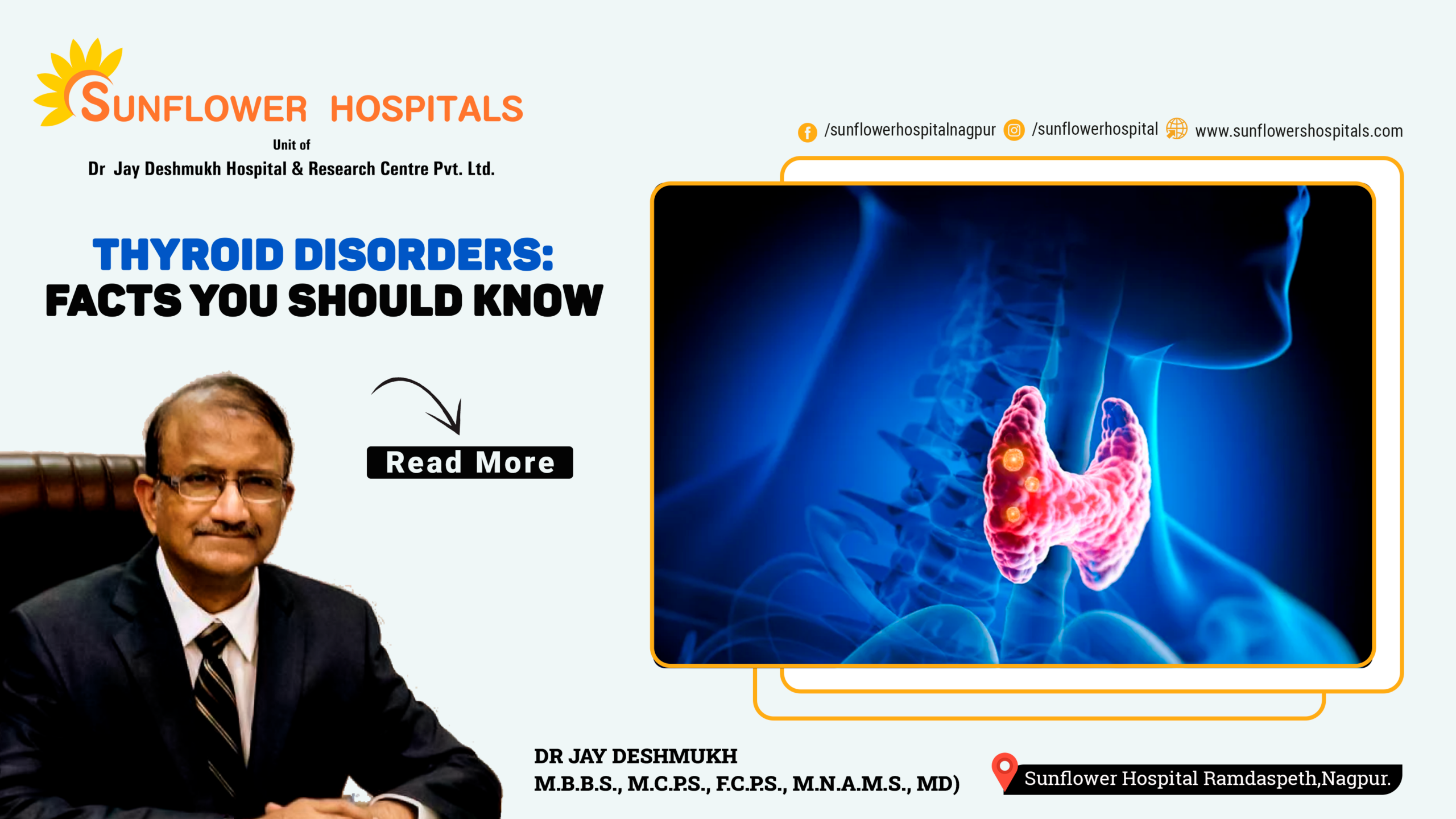
What Is The Thyroid Gland, And What Does It Do?
The Thyroid Is A Small Butterfly-shaped Gland Located In The Front Of The Neck. It Produces Hormones (T3 And T4) That Regulate Metabolism, Body Temperature, Heart Rate, Digestion, Energy Levels, And Normal Growth And Development.
How Common Are Thyroid Disorders?
Thyroid Disorders Are Among The Most Common Endocrine Diseases. They Are Particularly Frequent In Women, Older Adults, And People With A Family History Of Thyroid Disease. Many People Have Thyroid Problems Without Realizing It.
What Are The Symptoms Of An Underactive Thyroid (Hypothyroidism)?
Common Symptoms Include Persistent Tiredness, Weight Gain, Feeling Unusually Cold, Constipation, Dry Skin, Hair Loss, Slow Heart Rate, Depression, Memory Problems, Hoarseness Of Voice, And Menstrual Irregularities. Symptoms Usually Develop Gradually.
What Are The Symptoms Of An Overactive Thyroid (Hyperthyroidism)?
Symptoms May Include Weight Loss Despite A Good Appetite, Rapid Heartbeat, Palpitations, Excessive Sweating, Anxiety, Tremors, Heat Intolerance, Frequent Bowel Movements, Difficulty Sleeping, And Muscle Weakness.
Who Is At Greater Risk Of Developing Thyroid Disease?
Women, People Over 60 Years Of Age, Those With A Family History Of Thyroid Disease, Individuals With Autoimmune Diseases Such As Type 1 Diabetes, And People Who Have Received Radiation To The Neck Are At Higher Risk.

Author: Dr Jay Deshmukh
Dr Jay Deshmukh is Chief Physician and Director, Sunflower Hospital, Nagpur Honorary Physician to Honorable Governor of Maharashtra and PondicherryCentral. Dr Jay Deshmukh is an M.B.B.S., M.C.P.S., F.C.P.S., M.N.A.M.S., MD From Internal Medicine – Bombay and New Delhi.